I grew up visiting Lake Malawi. Some of my earliest memories are tied to its warm waters, golden beaches, unbelievable sunsets, fish eagles, baobabs and sleepy fishing villages. Returning nearly 30 years later, I wasn’t sure what I would find.
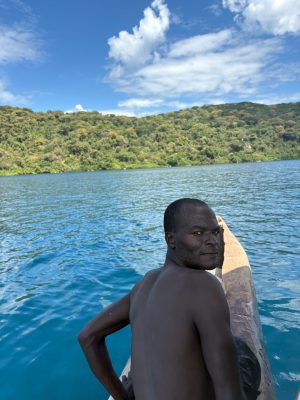
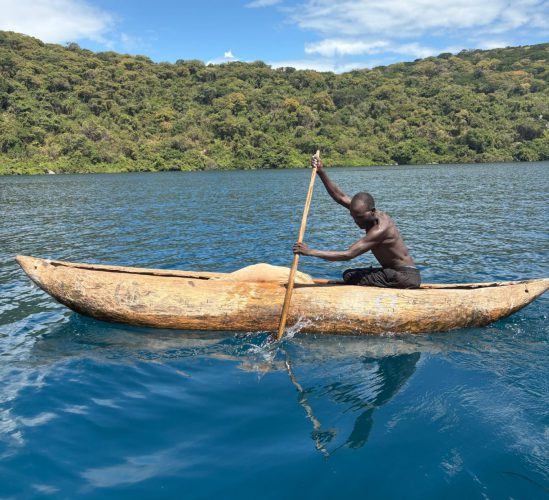
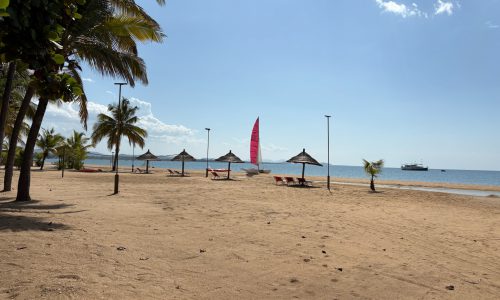
Lake Malawi had changed, of course. But what surprised me most was how much had stayed exactly the same. The water was still impossibly clear. Fish eagles still called from the trees. Fishermen still paddled dugout canoes across the lake at sunrise. And the feeling that Lake Malawi has always given me — one of peace, simplicity, and pure joy — was still very much intact. The anticipation and excitement of seeing the water from the hot dusty and often potholed roads leading to the beach was exactly the same.
The moment I slipped into the water for my first swim, all those childhood memories came rushing back. The lake felt exactly as I remembered it — warm, clear, and almost the same temperature as my own body. Standing there, surrounded by a place I hadn’t seen in decades, was hugely emotional.
Part of what makes Lake Malawi so extraordinary is its sheer scale. Stretching more than 360 miles long and covering almost 12,000 square miles — roughly the size of Maryland — it is Africa’s third-largest lake and one of the deepest freshwater lakes in the world. Formed millions of years ago as tectonic forces pulled apart the Earth’s crust, it eventually filled with crystal-clear water and became one of Africa’s greatest natural treasures.
Today, the lake is recognized as a UNESCO World Heritage Site, not only for its beauty but also for its remarkable biodiversity. Home to an estimated 1,000 species of fish, many found nowhere else on Earth, its significance to scientists studying evolution is often compared to that of the Galápagos Islands. Snorkeling here, surrounded by brilliantly colored cichlids darting through the rocks, it’s easy to understand why.
Where I stayed …
My return began with a night at The Makokola Retreat. While parts of the property were undergoing extensive renovations, I enjoyed exploring the sprawling grounds, indigenous plant nursery, local handicraft workshops, and even a golf course complete with crocodiles lurking in the water hazards. An unexpected highlight was being adopted for the evening by attendees of a macadamia nut convention, proving once again that some of the best travel experiences are entirely unplanned.
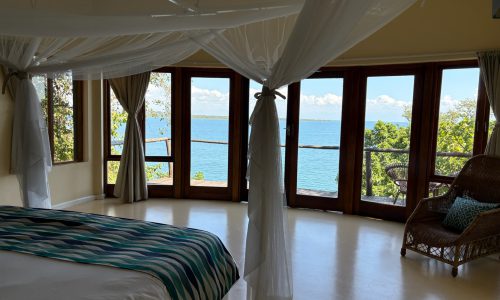
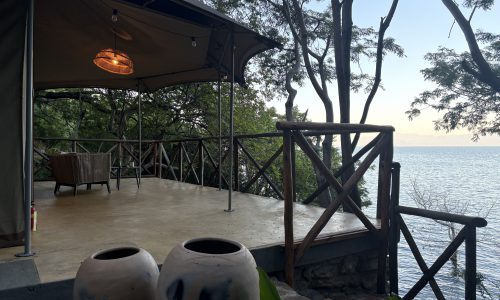
From there, I continued to Pumulani Lodge, perched high above the lake within Lake Malawi National Park. My stand alone cottage was breathtaking, amazing lake views from every window, a wonderful private deck and glorious “evening breeze” cooling system above my enormous king bed. The room was large enough to accommodate a whole family easily! The staff made me feel like family, and the night sky through the incredible telescope was simply breathtaking.
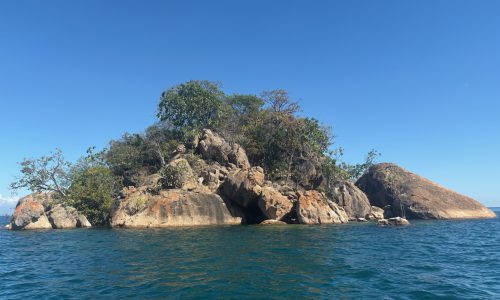
The lake levels were unusually high during my visit, submerging many of the beaches, but it hardly mattered. I spent hours kayaking and paddleboarding along the shoreline, passing fishermen, villages, and dramatic granite outcrops. One afternoon, as I paddled across the bay, celebrations from a local football match echoed across the water — singing, laughter, and vuvuzelas creating a soundtrack that felt uniquely Malawian.
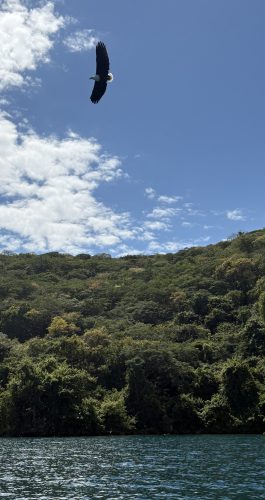
The snorkeling was every bit as magical as I remembered. Just off Cape Maclear, the water remained astonishingly clear, revealing countless colorful fish among the rocks below. I also joined a fish eagle feeding excursion, watching these magnificent birds swoop down from the surrounding hills to snatch fish from the water — one of Africa’s most iconic wildlife experiences.
Yet what struck me most throughout the journey wasn’t the scenery, impressive as it was. It was the people.
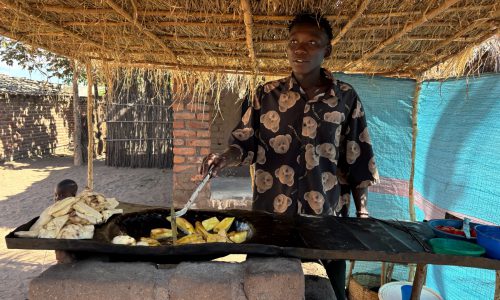
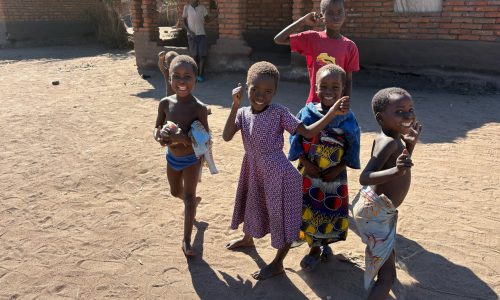
Known as the Warm Heart of Africa, Malawi lives up to its reputation. Along the lake, communities including the Chewa, Yao, and Tumbuka peoples have relied on these waters for centuries. During a village walk, I wandered through bustling dirt streets lined with bicycle repair shops, maize grinders, small bars, and market stalls. Children eagerly posed for photographs while fishermen prepared for another evening on the lake.
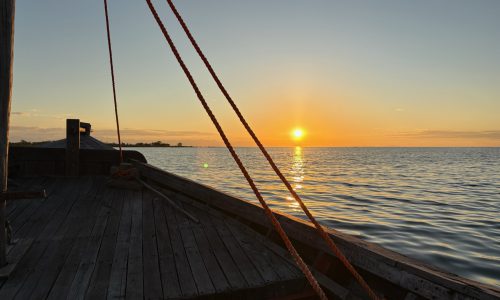
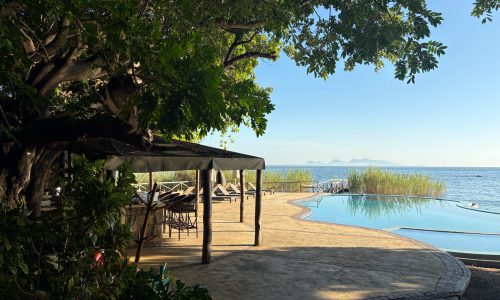
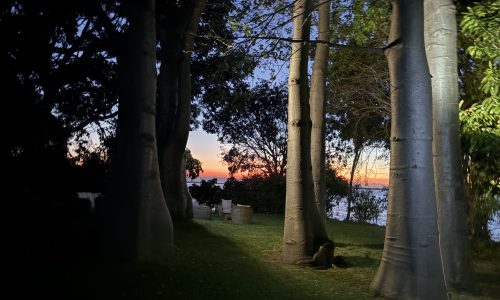
My final stop was Blue Zebra Island Lodge on Nankoma Island, a fun 20 minute speedboat ride off the shore of Senga Bay. Gorgeous baobabs, winding pathways, and lush gardens create an atmosphere that feels wonderfully removed from the outside world. My two days were spent kayaking around the islands, snorkeling in sheltered coves, spotting bush babies in the trees at night, and watching spectacular sunsets paint the lake gold. The island is safe and small enough to hike around well maintained paths on your own – well worth it for the incredible birdlife here and spotting huge monitor lizards. My executive chalet was on the other side of the island from the welcoming main area, offering incredible privacy, sunset views and all the comfort one could wish for.
Blue Zebra epitomized all I love about Malawi – friendly, warm, welcoming, unpretentious, adventurous and beautiful. On top of that, the food was outstanding, the cocktails delicious and the pool one of the best you will ever swim in! The wonderful personal touches by the owners can be found throughout the property, and truly make it feel like a home away from home.
Final thoughts …
What makes Lake Malawi special isn’t just its size, biodiversity, or UNESCO status. It’s the combination of all those things with something far harder to define. It’s the warmth of the people, the simplicity of life on the water, and the feeling that despite the passage of time, some places remain wonderfully unchanged.
After nearly 30 years away, I worried that returning might diminish the memories I carried from childhood. Instead, it did exactly the opposite. Some places never really leave you. They simply wait patiently for you to come back.