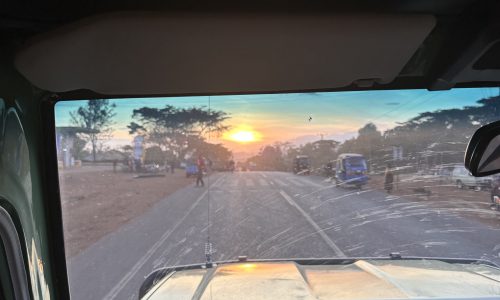
Susan’s Tanzania journey continued north from the golden grasslands and baobabs of Tarangire, to the legendary Ngorongoro Crater. The drive itself is all part of the adventure—passing fertile farmland, banana groves, and bustling small towns. The route passes through the forested escarpment of Lake Manyara National Park, known for its birdlife and primates, and then winds through the lively town of Mto wa Mbu, racing alongside colorful tuk-tuks, bicycles, and market stalls overflowing with bananas and avocados. From here the climb begins toward cooler highlands, passing through Karatu, the gateway town that serves as the base for many crater-bound safaris.
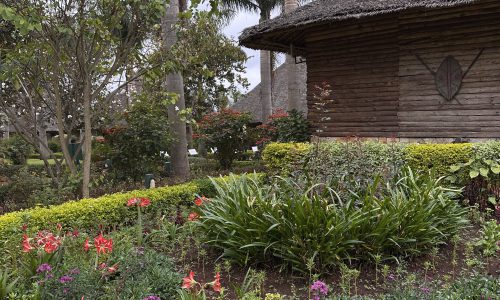
This region offers a wonderfully varied collection of places to stay, from intimate coffee-farm lodges to boutique hideaways tucked into the hills. For Susan, the first stop was Neptune Ngorongoro Lodge, set in a tranquil pocket of rainforest between Karatu and the Crater. With its cozy cabins and beautifully manicured gardens, Neptune feels refreshingly serene. Flowering pathways lead to spacious chalets with private verandas—perfect for a sundowner before dinner. Its position makes for an easy and scenic approach to the crater the following morning.
In her own words …
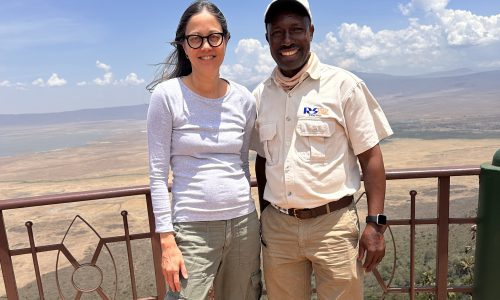
After a restful night, we (my fantastic Rangers guide Ndossy and myself) set off early toward the eastern rim. The drive is bumpy in places, but the reward is undeniable: access via a quiet entrance road used only by a handful of properties. Rather than queuing with morning traffic, guests are minutes from descending into the caldera.
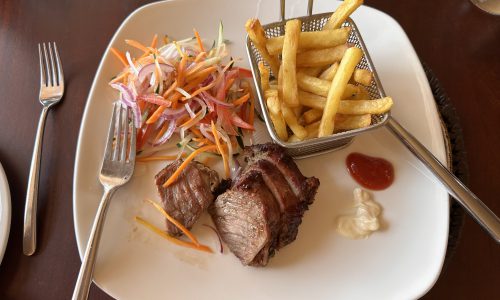
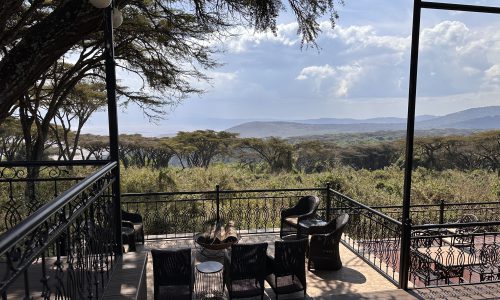
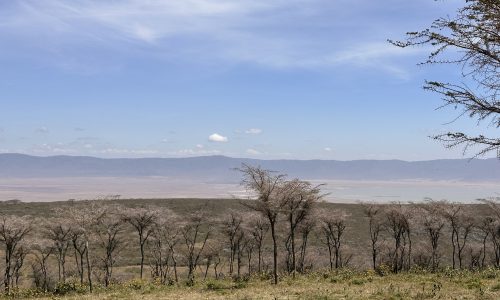
We stopped for lunch at Craters Edge, a personal favorite. Perched high on the rim, this gorgeous property has lovely views of the Crater in the distance. The interiors are warm and elegant, the food superb.
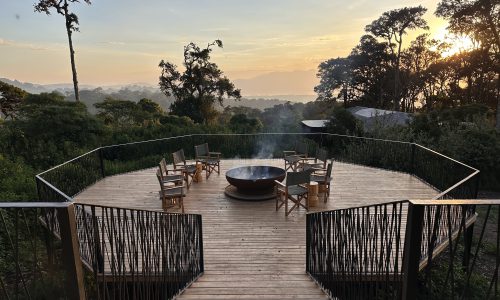
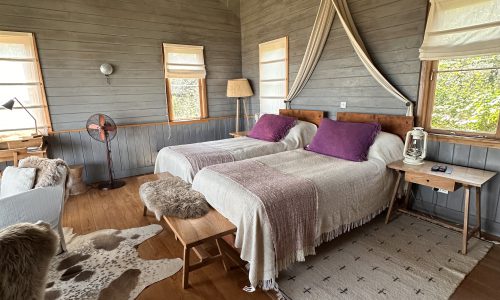
That night we stayed at Lemala Osonjoi, set in the forest. The suites here are surprisingly large with huge picture windows, generous decks, and a cozy reading nook that feels like a treehouse suspended in the woods. It’s a place that invites you to slow down and curl up with a book.
The next morning, we descended into the Ngorongoro Crater—a geological marvel formed millions of years ago when a massive volcano collapsed. Today it’s a vast natural amphitheater, roughly 100 square miles of grasslands, marshes, lakes, and acacia pockets enclosed by towering 2,000-foot-high walls. The crater’s enclosed ecosystem makes it one of the most wildlife-rich areas in East Africa.
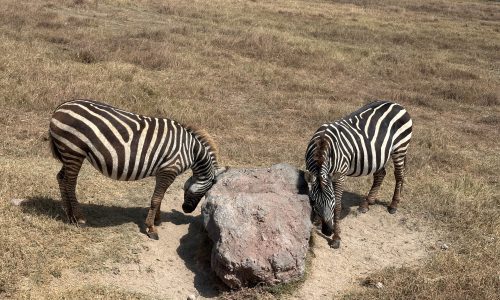
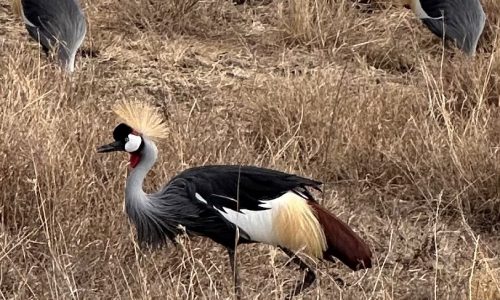
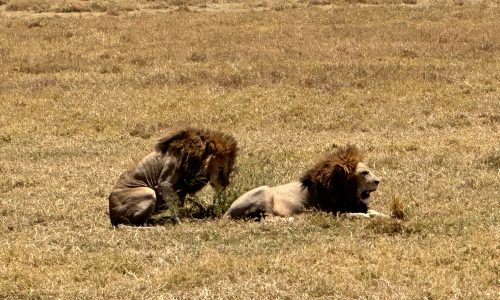
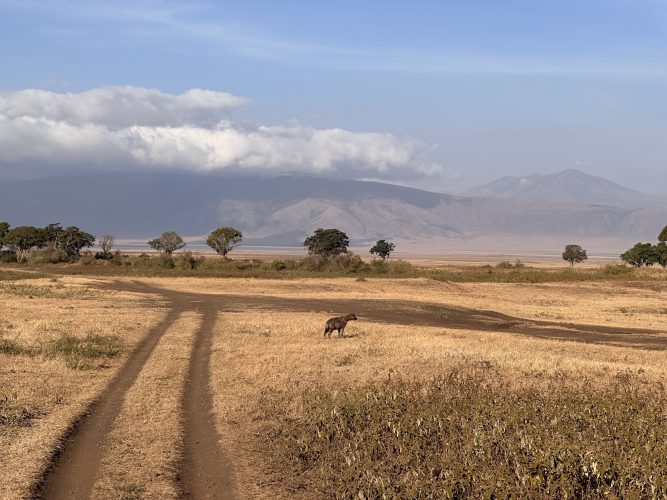
The light inside the crater feels almost dreamlike—somehow brighter, clearer, and more surreal than on the rim. During our full-day game drive, we saw hyena, buffalo, zebra, gazelle, lions, wildebeest, hartebeest, jackal, hippos, and even a distant black rhino grazing in the morning haze. The wetlands attracted flocks of greater and lesser flamingos, along with superb birdlife. A highlight was watching more than twenty grey crowned cranes take flight at once—their golden crests catching the sun like sparks.
We stopped at a picturesque picnic site for a lovely lunch before continuing our game drive and eventually exiting the crater for our next site inspection at Entamanu located in the less forested north western side of the Crater. This magical property sits close to the rim, with soul-stirring views and the rare opportunity to walk near the crater edge led by a Maasai guide. Inside, the rooms feel like cozy cottages—light and airy with a simple yet elegant design that makes the space both welcoming and sophisticated.
Where Susan Stayed & Visited:
• Neptune Ngorongoro Lodge – Tranquil, elegant, beautifully landscaped; convenient to Karatu and the crater.
• Craters Edge – A favorite; gorgeous crater views, peaceful ambience, and delicious cuisine.
• Lions Paw – A comfortable lodge tucked close to the rim on the eastern side; an excellent base for quick morning access.
• Lemala Osonjoi – Forest setting, spacious rooms, treehouse-like reading nooks, warm atmosphere.
• Entamanu – Rim-top magic with sweeping views and guided walks.
Final thoughts …
Ngorongoro is unlike other ecosystems in the Northern Serengeti. The crater is cooler, greener, and more enclosed, with a micro-climate of its own and wildlife densities that feel almost unreal. Taking an extended full-day game drive with a picnic lunch allows you to settle into its rhythm—watching the light change, the mists lift and return, and animals come and go.
Stay tuned for part three, where Susan’s journey continues into the Serengeti.
Read Part One where Susan’s explored Tarangire National Park